
Evolving governance mindsets for operating in uncertainty
Amid complex geopolitical developments, mounting pressure on global supply chains, and rapidly escalating technical standards, legal frameworks, and compliance requirements, enterprises are no longer facing a growth only challenge. The priority has shifted toward sustaining operational stability and building resilience in the face of disruption.
In practice, many traditional governance models are showing clear limitations when required to address digital transformation, AI adoption, data protection, information security, and regulatory compliance at the same time. Against this backdrop, experts agree that reframing management thinking is a prerequisite for sustainable digital transformation, enabling organizations to convert compliance and information security from perceived cost burdens into strategic competitive advantages.
Responding to this real world demand, the C Level Private Meeting Breaking The Impossible was designed as a closed executive forum. The program focused on core leadership issues, helping decision makers reassess priorities, resource allocation, and strategic choices for 2026.





Positioning technology at the center of enterprise strategy
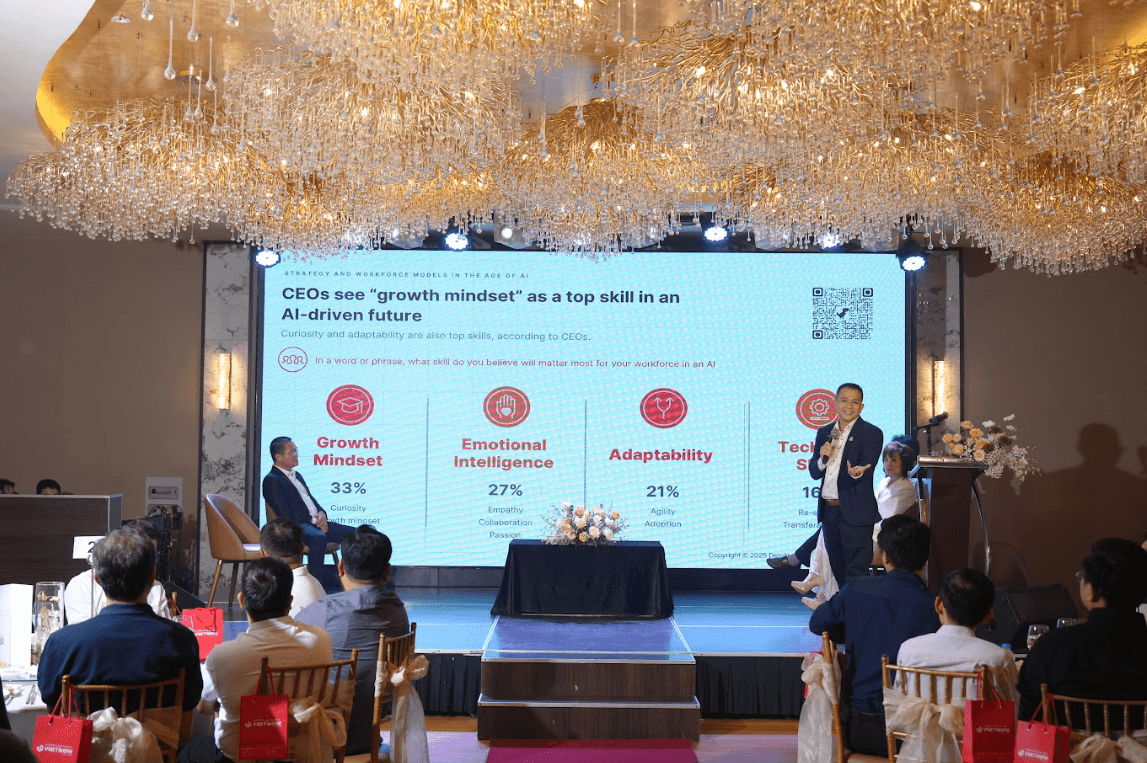
Drawing on survey reports from global enterprises, Tran Quoc Thang, Deputy CEO of Deloitte Vietnam, emphasized that technology is no longer limited to an operational support role. It has become a strategic nucleus within enterprise governance models. When applied with clear focus, technology enables organizations to optimize resources, improve cost control, and progressively translate technology investment into long term enterprise value.
AI adoption is increasingly embedded in core business activities, with more than 81 percent of organizations reporting measurable impact on operational efficiency and decision making. However, experts consistently highlight that the true key to digital transformation lies not in technology itself, but in how organizations structure, operate, and adapt to the changes technology introduces.
Within this context, the human factor remains central. A growth mindset, continuous learning capability, and adaptive leadership and operational teams are now viewed as critical competencies, taking precedence over purely technical skills. This foundation allows enterprises to unlock the full value of technology in a rapidly evolving digital era.

Security by design as a core pillar of digital resilience
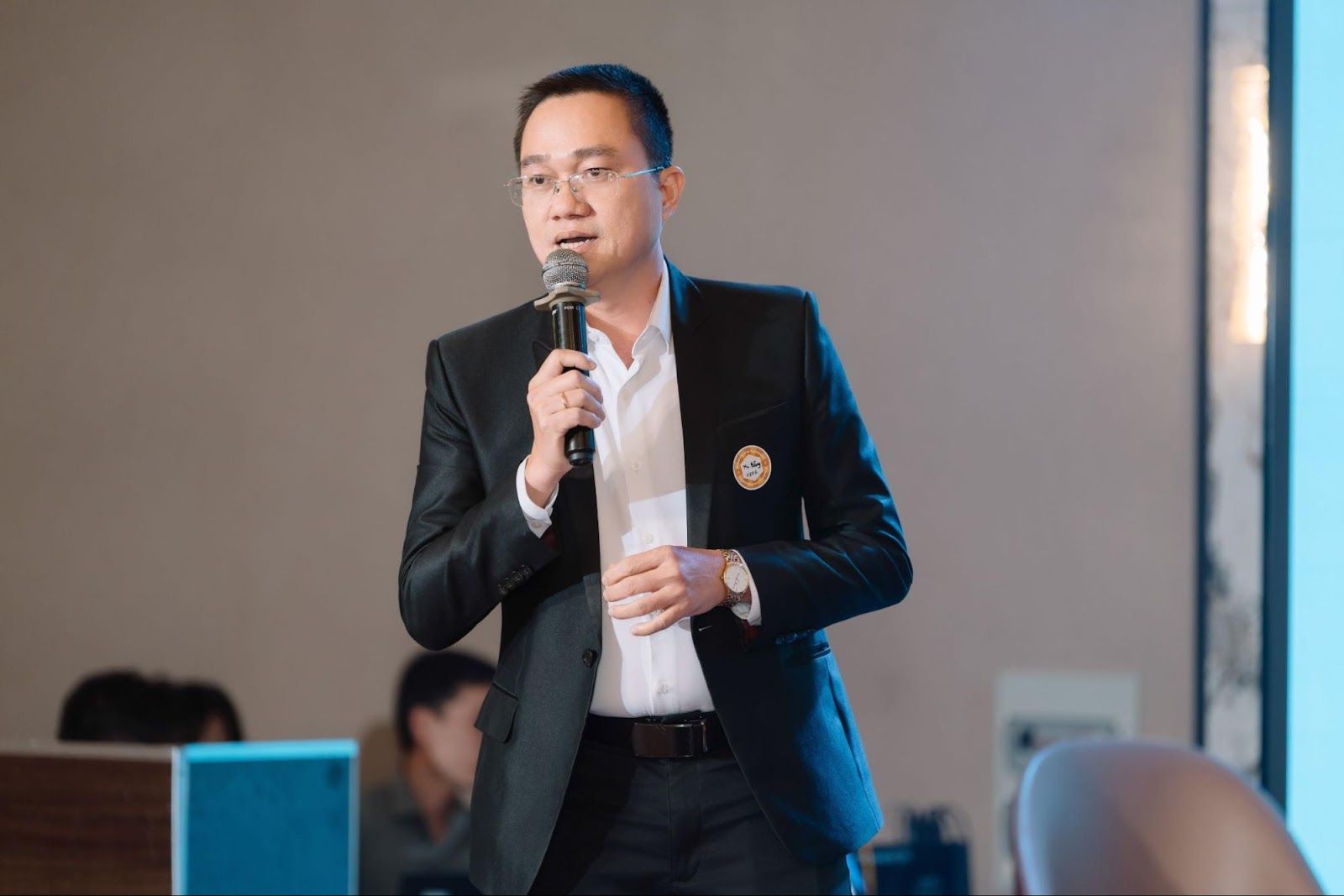
With more than 25 years of experience leading and deploying systems across complex environments, Ngo Xuan Bang, CTO of Menas Vietnam, outlined an information security governance model built on four core pillars. These include resilience, data and AI as strategic assets, digital infrastructure, and digital trust. According to his analysis, these elements form the foundation for stable operations and informed decision making as risk exposure continues to rise.
He underscored the security by design philosophy, stating that cybersecurity cannot be treated as an afterthought or a patch applied at the final stage. Instead, it must be integrated throughout the entire digital transformation lifecycle, embedded into the structural core of systems and processes. When security becomes an inherent component of architecture, organizations are better positioned to proactively address increasingly sophisticated attack scenarios, minimize disruption risk, and avoid operational paralysis during incidents.
From a governance perspective, this approach not only reduces information security risk but also strengthens digital resilience, providing a solid base for sustained growth in uncertain conditions.

Turning information security investment into competitive value
During the discussion session, Le Dinh Viet Hai, Senior Advisor for Digital Transformation at HoneyNet, addressed a common paradox. Many organizations continue to feel insecure about information security despite significant investment in security solutions. He noted that the issue does not stem from technology itself, but from ineffective approaches such as prioritizing tool acquisition before risk assessment, applying uniform security measures without differentiation, or assuming information security is solely an IT responsibility.
Based on extensive implementation experience, he emphasized that clearly defining a digital transformation roadmap and thoroughly understanding regulatory frameworks are essential to optimizing resources and avoiding fragmented investments with limited impact. Without a clear view of acceptable risk levels and the role of each system within overall operations, information security spending easily becomes scattered and misaligned.
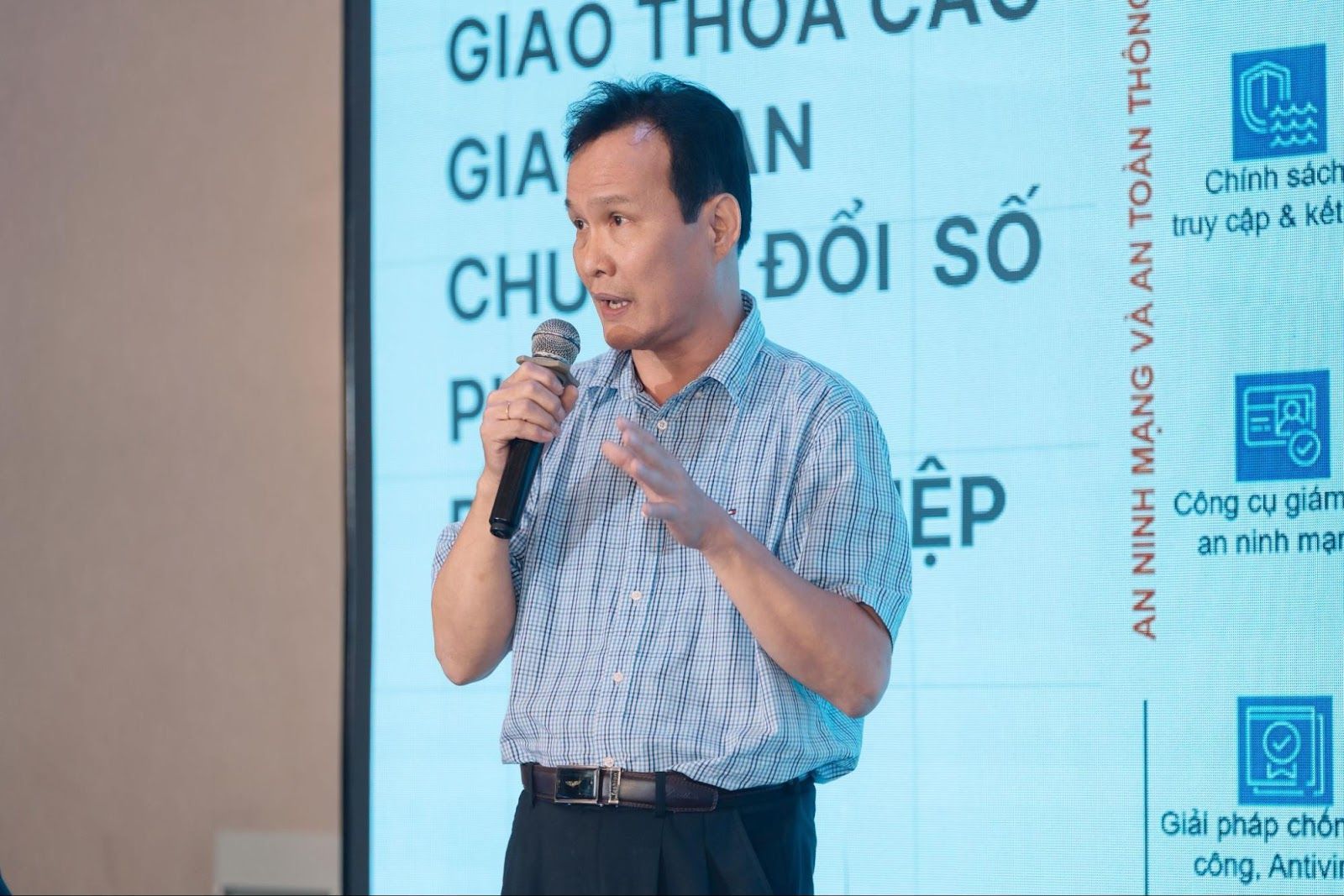
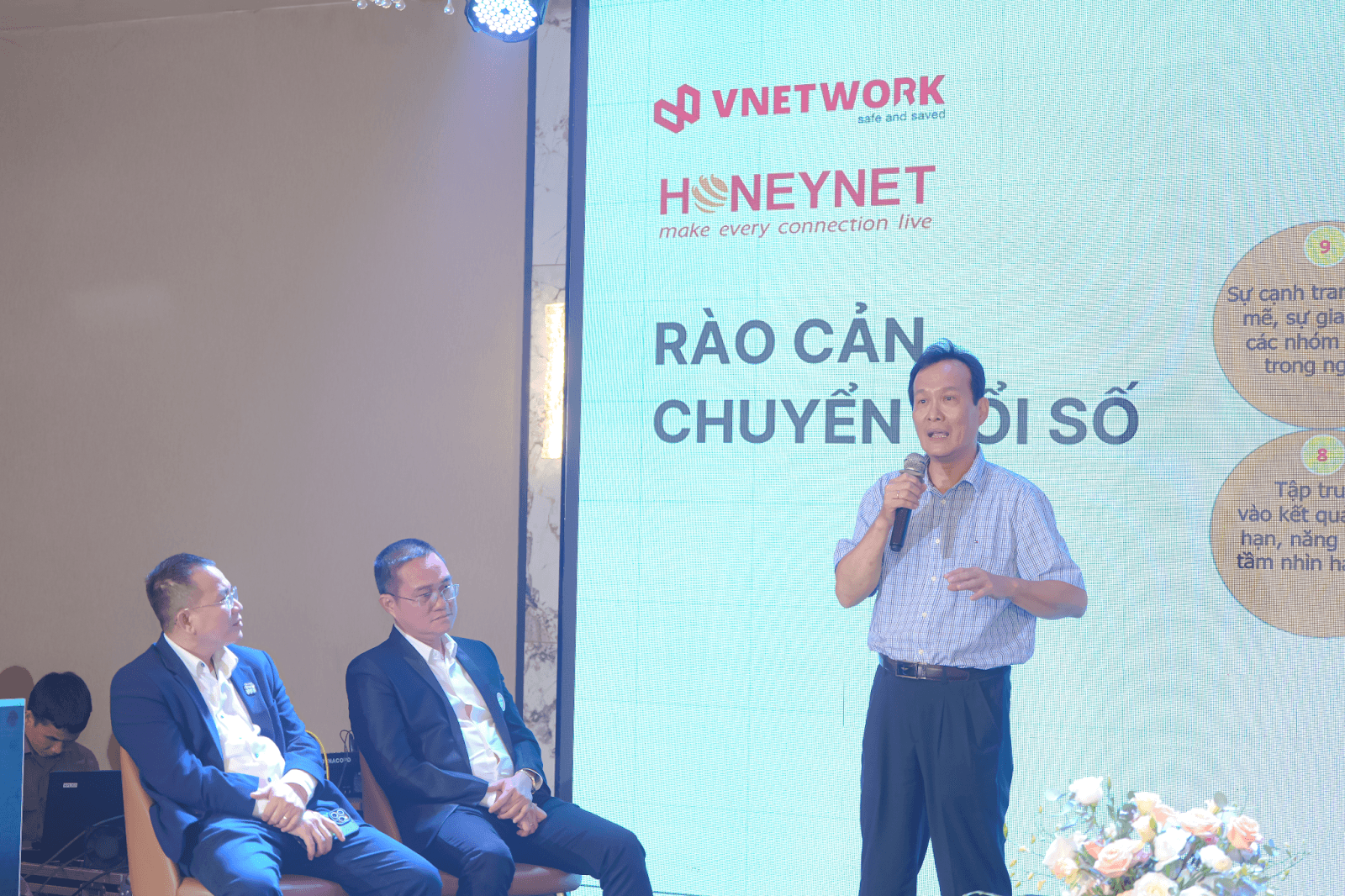
Referring to the five level information security framework, he highlighted that when compliance is properly understood and implemented, it ceases to be a cost burden and instead becomes a mechanism for standardizing operational capability. At the enterprise level, this represents a risk governance and business continuity challenge. At the national level, it forms a critical foundation for protecting and advancing the digital economy over the long term.
To operationalize this approach, experts proposed an IT - OT convergence model based on a four layer reference framework comprising strategy and governance, operations, digital platforms, and infrastructure and technology. This model enables leaders to clearly see the interdependencies between compliance, operations, and growth, while also reinforcing that a failure at any single layer can push the entire enterprise into operational paralysis when disruption occurs.
Building a sustainable dual transformation ecosystem with enterprises
Reflecting on the program’s value, a senior executive participant shared that the core impact of the discussion extended beyond technical solutions. More importantly, the event introduced a renewed management perspective and helped leaders reassess strategic priorities. Insights spanning macro policy considerations and real world execution lessons supported organizations in shaping a clear action roadmap for 2026, strengthening confidence throughout their digital transformation journey.
In her closing remarks, Phan Thi My Hau, CEO of VNETWORK, affirmed that with more than 13 years of experience, VNETWORK has progressively established its position in delivering IT infrastructure, performance acceleration, and security for Web, App, API, and Email. With a deep understanding of the challenges enterprises face amid ongoing volatility, VNETWORK officially introduced the Dual Transformation ecosystem, integrating AI alongside green transformation and digital security objectives.
This platform not only supports operational efficiency optimization but also reflects VNETWORK’s long term commitment to partnering with enterprises to overcome barriers related to technology, compliance, and information security. Through this commitment, VNETWORK aims to ensure business continuity and resilience against the unpredictable variables of the global environment.