What is a CDN?
A Content Delivery Network or CDN, is a geographically distributed network of data centers that operate proxy servers to deliver content efficiently to end users. CDN providers distribute internet content including web assets such as HTML, CSS, and JavaScript, downloadable files such as media and software, web applications including ecommerce platforms and portals, and live streaming content.
A CDN delivers significant value to organizations by optimizing both performance and security. Below are six key benefits.
- Accelerated page load speed: A CDN delivers content from the edge server closest to the user, reducing latency and improving overall user experience.
- Reduced load on the origin server: Static assets are cached at edge locations, minimizing requests to the origin server and enhancing system stability.
- Optimized infrastructure costs: By reducing international bandwidth consumption and limiting the need for central server expansion, a CDN helps control infrastructure investment.
- Enhanced security posture: Most CDN providers offer Layer 3 and Layer 4 DDoS mitigation, and when combined with a Web Application Firewall, can defend against Layer 7 threats such as SQL injection and cross site scripting.
- Improved scalability: CDNs automatically distribute traffic during peak periods, ensuring stable performance under high load conditions.
Below is a curated list of the top seven CDN providers in 2026, evaluated based on PoP coverage, performance in Vietnam, scalability, security capabilities, and overall suitability for enterprise environments.
See also: Criteria for comparing CDN providers
1. VNCDN - Leading CDN provider in Vietnam and Asia
VNCDN is a CDN solution developed by VNETWORK, focused on optimizing domestic performance, high concurrency handling, and integrated security. It is designed for businesses operating primarily in Vietnam and Southeast Asia.
VNCDN currently operates infrastructure across more than 146 countries with over 2,300 PoPs, enabling intelligent routing to the nearest edge location to minimize latency. With automated load balancing mechanisms, the platform maintains stable performance even during traffic spikes.
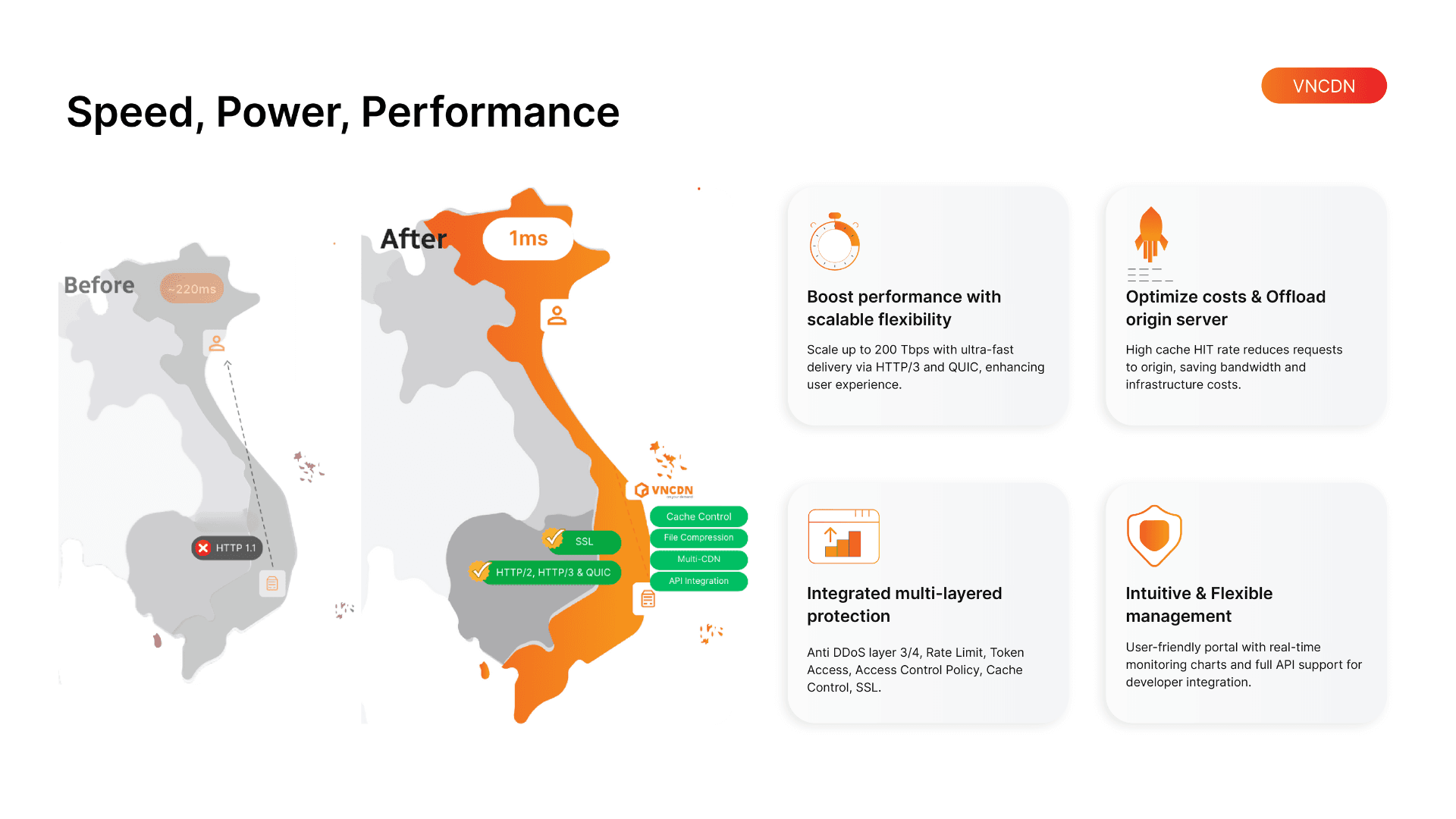
Notably, VNCDN is deployed directly within major Vietnamese ISPs including Viettel, VNPT, FPT, and MobiFone. This architecture optimizes domestic connectivity and reduces dependency on international transit routes.
For organizations with a user base concentrated in Vietnam or Southeast Asia, VNCDN provides a strategic advantage in terms of performance, stability, and operational efficiency. The platform delivers over 15 Tbps domestic uplink bandwidth, processes up to 20 billion requests per day, and supports up to 10 million concurrent users, making it suitable for high demand scenarios such as live streaming, flash sales, and large scale online events.
This solution is particularly well suited for:
- Live broadcasting and television
- Ecommerce platforms
- Gaming and OTT video streaming
- Digital media and online news portals
- Online education and SaaS platforms
With more than a decade of digital infrastructure development, VNETWORK has supported over 2,000 organizations, including VTV, TikTok, VnExpress, Thanh Nien News, and MoMo.
During the National Day parade event on September 2, VNETWORK partnered with VTV to deliver stable video streaming infrastructure for millions of concurrent viewers across multiple platforms and devices. Even under significant traffic surges, performance remained stable, demonstrating operational capability at scale.
2. CDN CloudFront
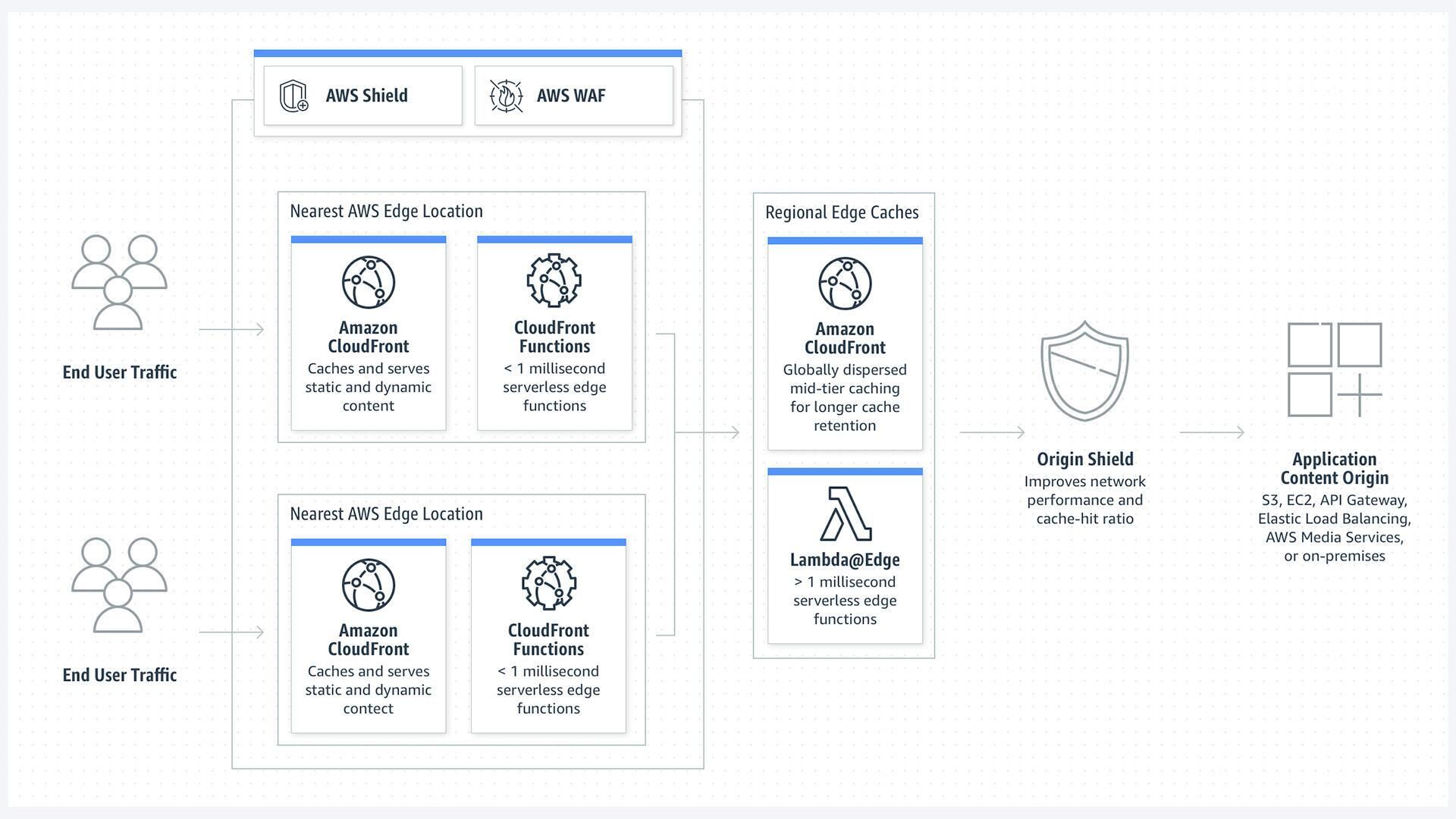
Amazon CloudFront is a CDN service within the AWS ecosystem, designed for high performance content delivery with deep cloud integration. It is suitable for enterprises running workloads on AWS or requiring advanced customization.
CloudFront distributes video, web applications, and APIs with low latency through Amazon’s global infrastructure. By leveraging the AWS backbone network, it ensures stable performance and flexible scalability.
Key strengths
- Global scale infrastructure: CloudFront operates 119 PoPs including edge locations and regional edge caches across multiple countries, providing extensive global reach.
- Integrated AWS security: CloudFront integrates directly with AWS WAF and AWS Shield, delivering robust DDoS protection and application level security.
- High programmability and customization: Configuration can be managed through APIs and the AWS Management Console, enabling DevOps teams to define caching policies and routing behaviors.
- Performance optimized via AWS backbone: Direct ISP interconnections and private backbone routing enhance end to end delivery performance.
CloudFront is suitable for businesses that:
- Operate primarily on AWS
- Have experienced DevOps teams
- Require advanced cloud native customization
- Serve globally distributed users
3. CDN Cloudflare
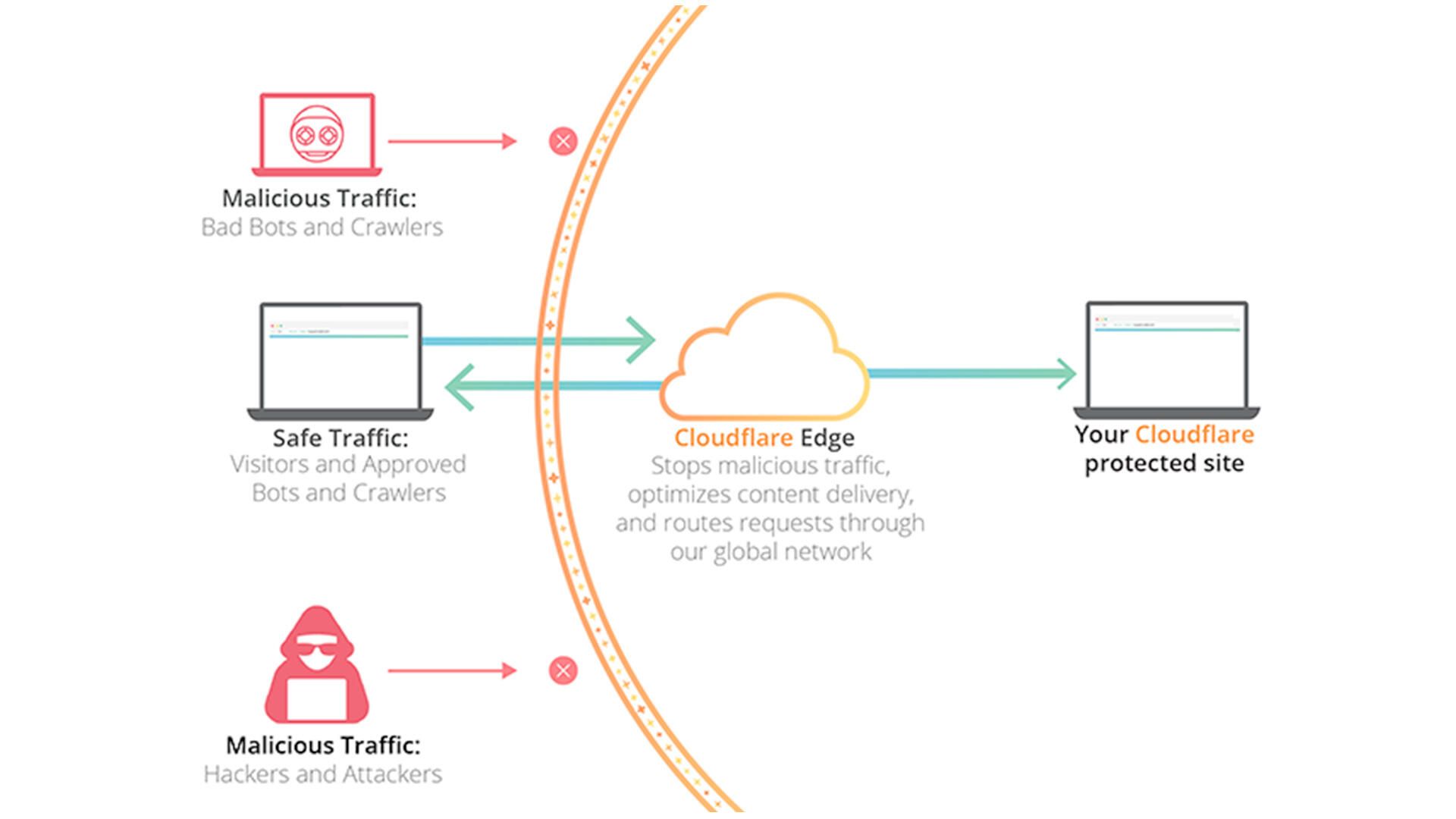
Cloudflare is one of the most widely adopted edge security and CDN platforms globally. Known for its user friendly interface and flexible service tiers, it supports organizations of various sizes, from small websites to enterprise scale deployments.
Cloudflare accelerates websites through a globally distributed data center network while integrating security and traffic analytics within a unified dashboard. However, in markets such as Vietnam, real world performance may depend on international connectivity conditions, particularly during submarine cable disruptions.
Key strengths
- Extensive global network: Cloudflare operates a broad global footprint, optimizing performance across North America, Europe, and parts of Asia.
- Easy deployment and intuitive interface: CDN activation can be completed through DNS configuration, making it accessible even for non specialized users.
- Built in security features: Cloudflare provides DDoS protection, SSL, and optional WAF and bot management depending on service tier.
- Comprehensive analytics and monitoring: The dashboard delivers insights into traffic patterns, security threats, and bot activity, including support for Keyless SSL.
Cloudflare is suitable for:
- Organizations seeking rapid deployment
- Businesses combining CDN and security in one platform
- Globally distributed services
- Teams requiring flexible pricing tiers
4. CDN Fastly
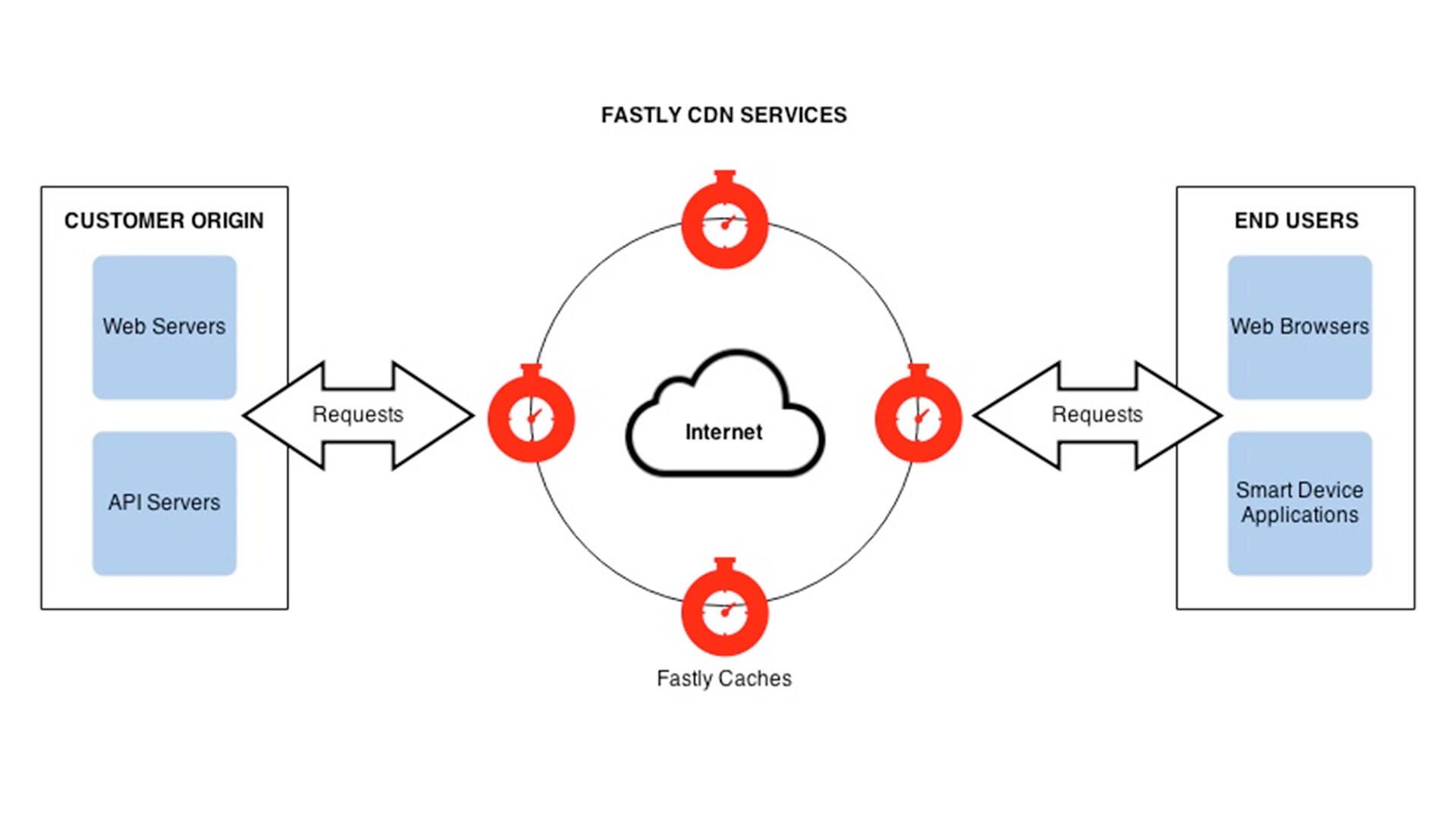
Fastly is an edge cloud platform designed for highly flexible and programmable content delivery. It is commonly adopted by technology companies requiring deep customization at the edge layer.
Fastly supports dynamic content delivery, image optimization, and real time streaming. Its programmable architecture allows fine grained control over caching logic and content behavior, although leveraging its full capabilities typically requires advanced technical expertise.
Key strengths
- Flexible edge cloud architecture: Supports advanced logic processing at edge nodes.
- Real time content optimization: Optimized for streaming and dynamic workloads.
- Strong programmability: Provides granular API driven configuration.
- Strong presence in Western markets: Infrastructure coverage is concentrated in North America, Europe, and Australia.
Fastly is suitable for:
- Technology companies with specialized teams
- Platforms requiring advanced caching logic
- Businesses targeting Western markets
- Organizations prioritizing programmable edge architectures
5. CDNetworks
CDNetworks focuses on accelerating web applications and APIs globally, with notable strength in Asia and emerging markets.
Its infrastructure is well positioned for organizations needing optimized access to China and other specialized network environments.
Key strengths
- Strong presence in Asia and China: Optimized for regions with specific connectivity requirements.
- Web application and API acceleration: Suitable for cross border digital services.
- Integrated baseline security: Includes DDoS protection and WAF capabilities.
- Global operational footprint: Maintains regional offices and support teams worldwide.
CDNetworks is suitable for:
- Businesses targeting China
- Global API based platforms
- Organizations operating in emerging markets
- Enterprises requiring regional specialization
6. CDN Imperva
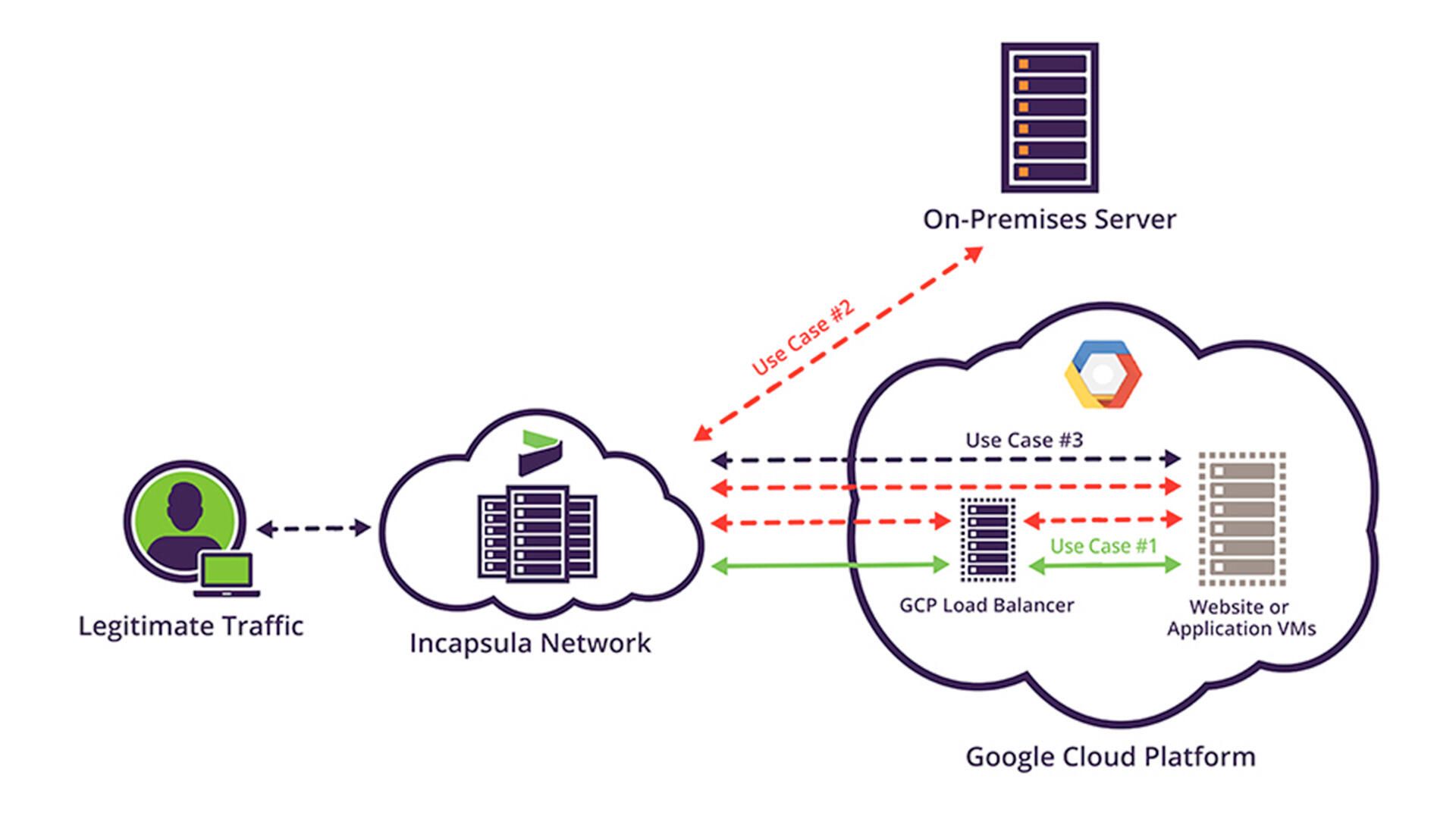
Imperva, formerly known as Incapsula, is a security centric platform that combines WAF, DDoS protection, load balancing, and CDN services within a unified system.
Imperva is recognized for its strength in application level protection across Layer 3, Layer 4, and Layer 7. While it includes CDN functionality for performance optimization, its primary focus remains application security.
Key strengths
- Strong Layer 7 protection: Well suited for compliance driven industries.
- Multi layer DDoS mitigation: Protects infrastructure and application layers.
- Integrated security and performance: Combines acceleration and defense mechanisms.
- Advanced analytics: Provides detailed security and traffic reporting.
Imperva is suitable for:
- Security first enterprises
- Financial and ecommerce platforms
- Organizations requiring advanced Layer 7 defense
7. CDN Akamai
Akamai is one of the largest and most established CDN providers globally, operating a highly distributed edge computing network.
In addition to CDN services, Akamai provides DNS, security, and performance optimization solutions, forming a comprehensive infrastructure ecosystem.
Key strengths
- Global scale infrastructure: Extensive edge deployment worldwide.
- High reliability: Designed to support mission critical systems.
- Broad service ecosystem: Includes security and DNS services.
- Long standing operational experience: Trusted by major global enterprises.
Akamai is suitable for:
- Large enterprises
- Globally distributed services
- Organizations requiring strict SLAs
- Enterprises with dedicated infrastructure budgets
Which CDN should your business choose?
Selecting a CDN depends less on provider size and more on user geography, workload characteristics, and growth strategy.
For businesses with the majority of users in Vietnam or Southeast Asia, prioritizing a CDN with direct ISP integration can significantly improve latency and stability. In this context, VNCDN provides a strong local performance advantage. For globally distributed services, international CDN providers may offer broader geographic coverage.
For large scale enterprises operating across multiple regions with strict uptime requirements, relying on a single CDN may introduce risk during regional outages. Many organizations therefore adopt a Multi CDN strategy, combining multiple providers to leverage their respective strengths and ensure resilient traffic distribution.
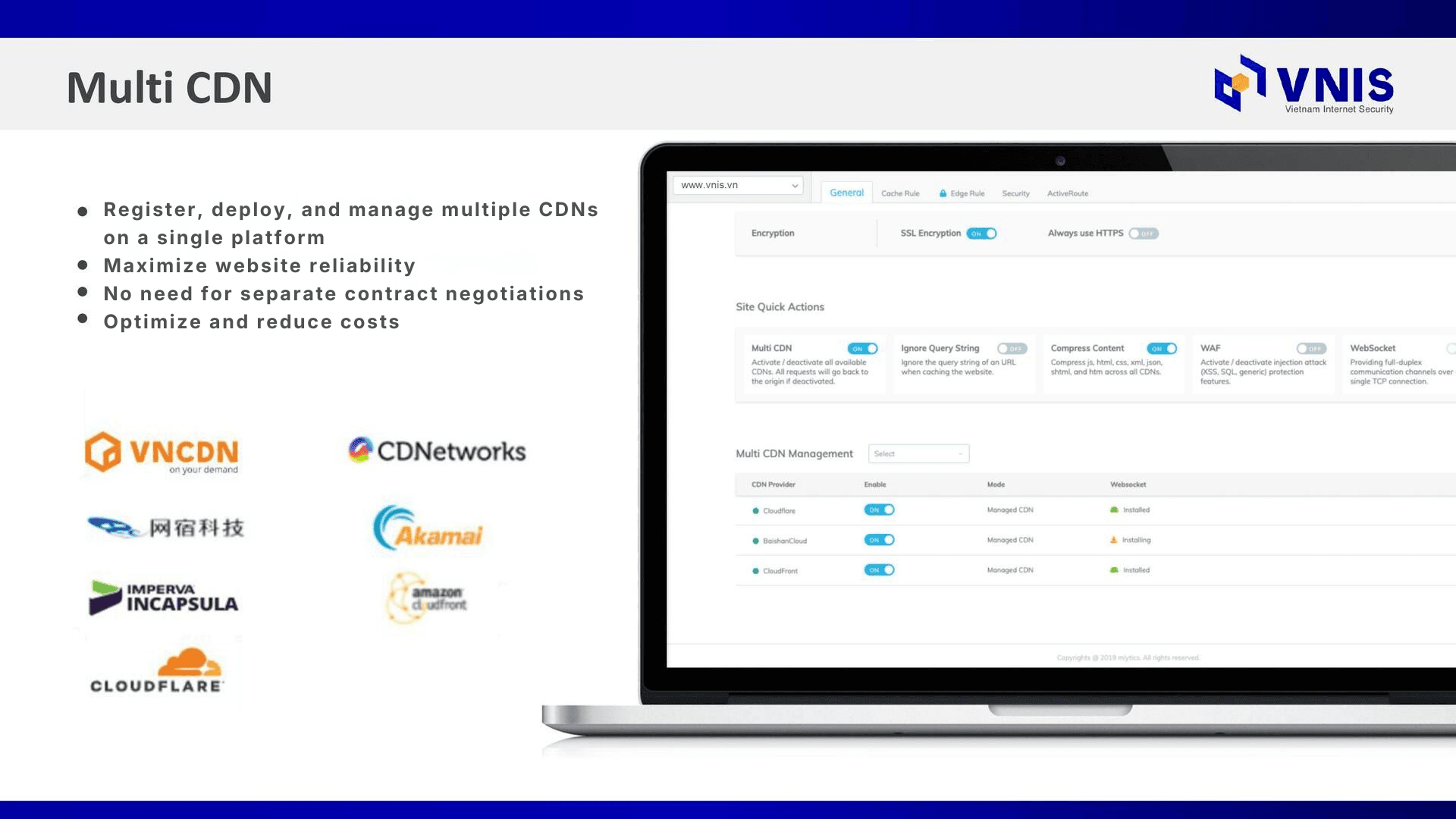
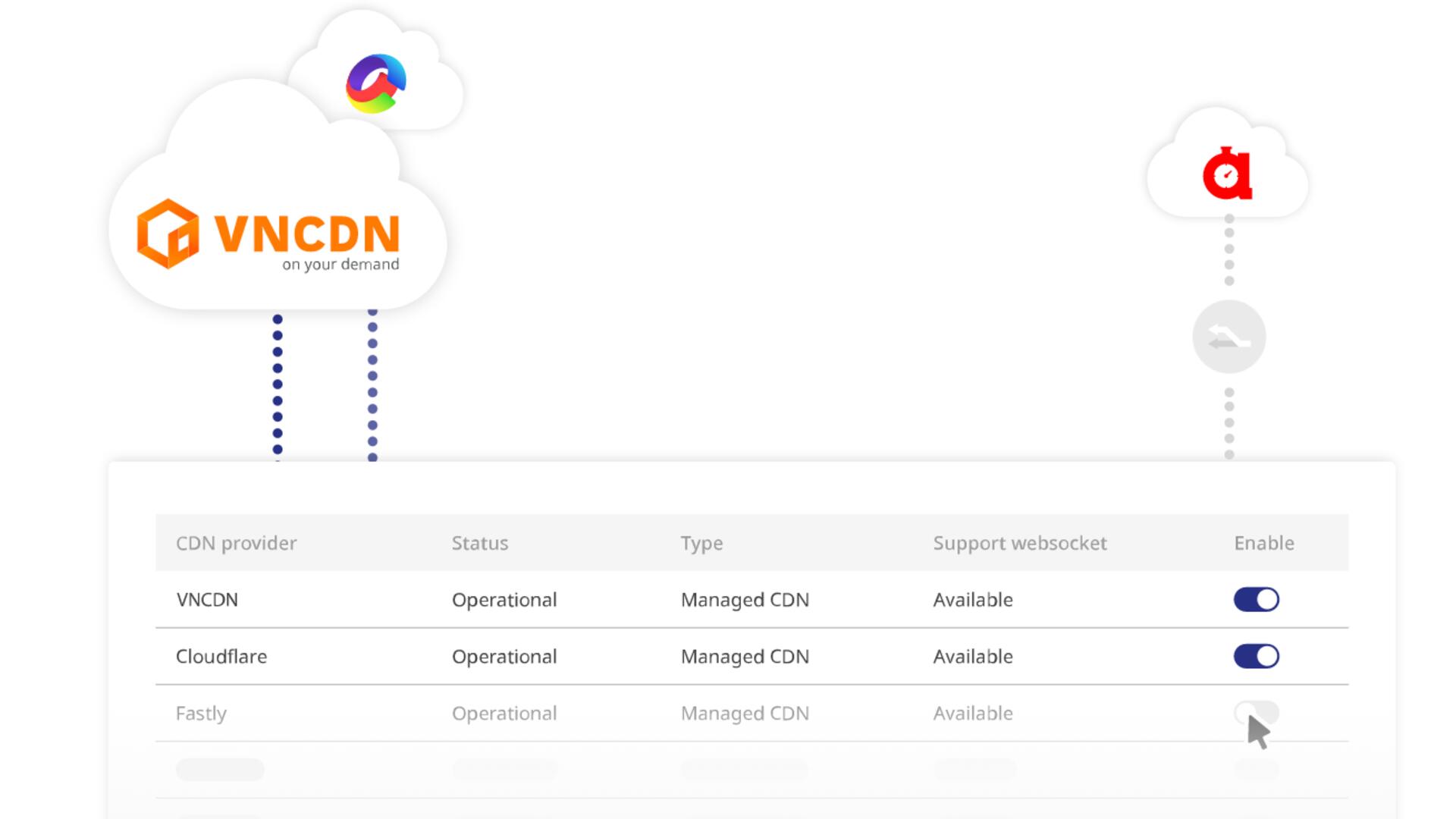
In Vietnam, the VNIS Multi CDN management platform is designed with built in integration to leading CDN providers including VNCDN, Cloudflare, CloudFront, Fastly, CDNetworks, Imperva, and Akamai. Organizations can manage and orchestrate multiple CDN services through a unified control interface.
Benefits of deploying Multi CDN through VNIS
- Built in integration with leading CDN providers
- Flexible geographic traffic distribution
- Load balancing based on real time performance
- Reduced risk of service disruption
- Optimized performance per target market
- Centralized management through a single interface
- AI driven traffic orchestration
- Operational cost optimization compared to managing separate CDN deployments
With this model, businesses can leverage the strengths of multiple CDN providers without increasing infrastructure complexity. To receive tailored guidance on CDN or Multi CDN strategy, contact the VNETWORK team for a technical assessment aligned with your business requirements.
FAQ - Frequently asked questions about CDN and Multi CDN
1. Do small businesses need a CDN?
Yes. Even smaller websites benefit from improved load speed, reduced origin load, and better user experience. The scale of deployment should match budget and growth plans.
2. Should you choose a domestic or international CDN?
If most users are in Vietnam, a CDN with local ISP integration will optimize latency. For global audiences, an international CDN may be more appropriate.
3. When should a business consider Multi CDN?
Multi CDN is recommended when:
- Serving multiple geographic regions
- Requiring high uptime
- Handling volatile or large traffic volumes
- Avoiding dependency on a single provider
4. Does Multi CDN increase costs?
Costs may be higher if deployed independently. However, centralized orchestration can reduce long term operational and downtime related expenses.
5. Does CDN protect against DDoS?
Many CDN providers offer Layer 3 and Layer 4 DDoS mitigation. Some extend protection to Layer 7 when combined with a Web Application Firewall.
6. Can CDN replace hosting?
No. A CDN works alongside the origin server. The CDN accelerates content delivery, while hosting manages primary data storage and application processing.