
Criteria for evaluating a reputable cybersecurity company
Vietnam's cybersecurity market includes a wide range of service providers, from large technology conglomerates to specialized firms with distinct strengths. To select the right partner, enterprises should consider the following core criteria.
- Real-world experience is the first thing to examine. A provider with years of industry experience has dealt with multiple generations of attacks, from simple threats to sophisticated APT campaigns. That depth of knowledge simply cannot be built overnight.
- Client portfolio and industry coverage speaks volumes. Providers that have protected banking systems, financial institutions, government agencies, or large user platforms are typically held to a much stricter security standard than the market average.
- 24/7 SOC operational capability is a non-negotiable criterion. Cyberattacks do not wait for business hours, and the window between detection and incident response directly determines the extent of damage. A rapid-response team with clear procedures and real-world handling experience is something worth probing before signing any contract.
- Research and development capacity reflects a provider's true technical depth. Companies that independently research vulnerabilities and build their own solutions tend to adapt better to emerging threats, rather than relying solely on foreign vendor products.
- International certifications and recognition serve as objective proof of operational processes and quality commitments. Standards such as ISO 27001, CREST, or recognition from independent research organizations are not easy to obtain and provide a reliable reference point for enterprises making their decision.
Leading cybersecurity companies in Vietnam
1. VNETWORK
VNETWORK was founded in 2013 with a vision to build a comprehensive technology ecosystem spanning IT infrastructure, content delivery, and security, enabling enterprises to lead their digital transformation and green transition journeys. The core mission of VNETWORK is to accelerate the digital economy and protect national sovereignty in cyberspace.
After more than 12 years of development, VNETWORK has built infrastructure spanning over 146 countries with more than 2,300 PoPs and a traffic capacity of up to 2,600 Tbps. In Vietnam, VNETWORK operates over 4,000 servers hosted at internationally certified Tier III data centers across the country, covering all major ISPs. Headquartered in Ho Chi Minh City, VNETWORK also maintains a team in Hanoi, an office in Singapore, and R&D and SOC teams operating across Vietnam, Singapore, the United Kingdom, and Taiwan.
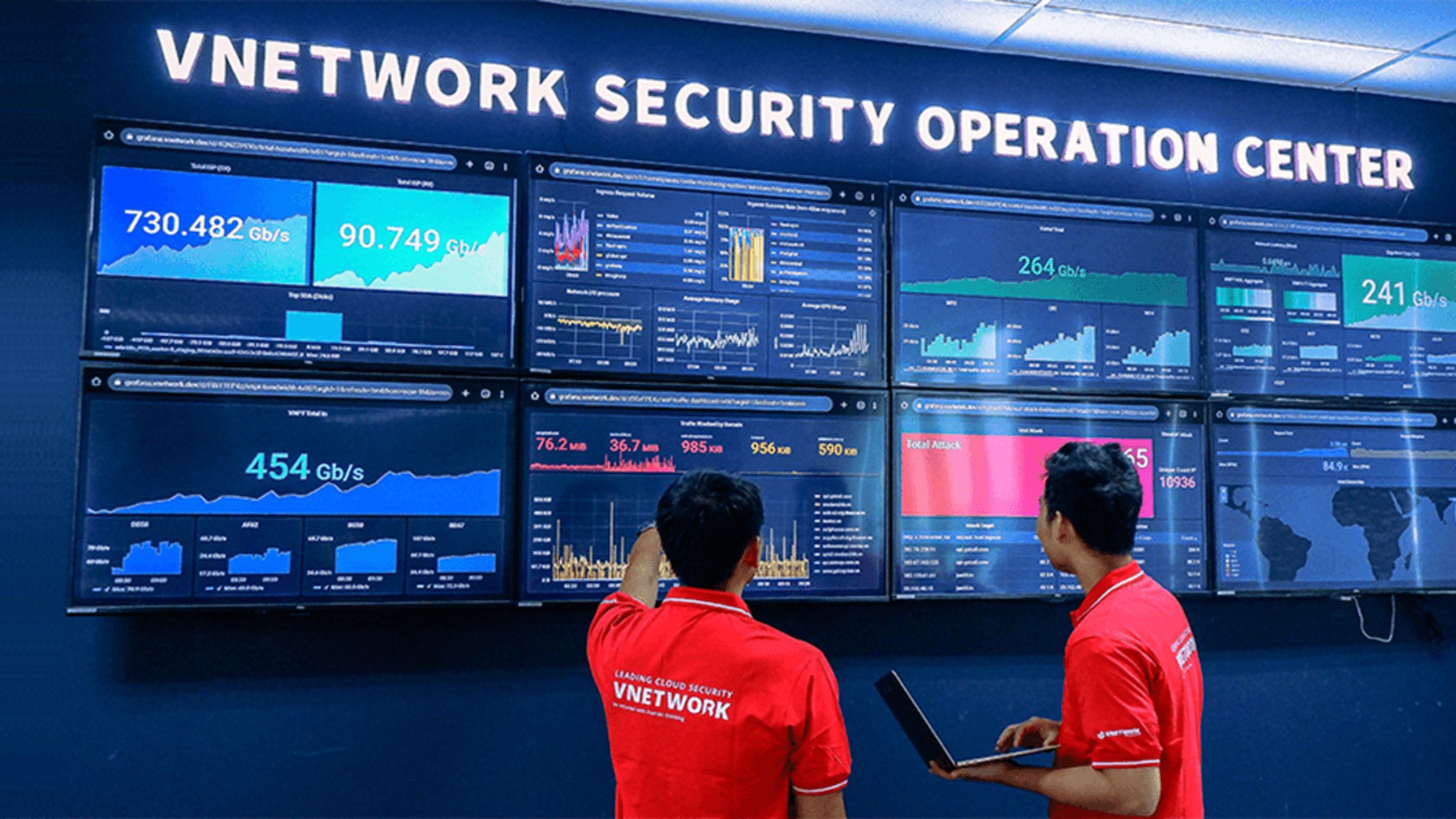
VNETWORK currently protects over 2,000 domestic and international clients across media, finance, e-commerce, and technology sectors. Notable names on its client roster include VTV, TikTok, THVL, MoMo, Tiki, FPT Play, VieOn, VNG, VnExpress, Thanh Nien Newspaper, and Quan doi Nhan dan Newspaper.
Certifications and recognition:
- Licensed by the Ministry of Information and Communications to provide network information security products and services
- Recognized as a Science and Technology Enterprise by the Ministry of Science and Technology
- Holds ISO 27001 and ISO 20000-1 certifications
- Recognized and recommended by Gartner, Rapid7, ITSCC, and the International Telecommunication Union (ITU) in global markets
Standout solutions:
- VNIS - Web/App/API security and acceleration, multi-layer DDoS mitigation (Layer 3/4/7), WAAP and AI WAF, 24/7 SOC
- EG-Platform - AI-powered bidirectional email security with three independent protection layers, blocking phishing emails, malware, and spoofing; compliant with ITU-T X.1236
- VNCDN - High-speed CDN content delivery ecosystem with integrated security and intelligent load balancing, covering all major ISPs in Vietnam and across the Asia region
- VCLOUD - Multi-layer secure cloud computing infrastructure with integrated Firewall, Security Group, and two-factor authentication; hosted in Tier III+ certified data centers
VNETWORK's core differentiator is its end-to-end integrated model: rather than offering isolated point solutions, VNETWORK builds a seamless protection system from the infrastructure layer through to the application and email layers, eliminating the need to coordinate multiple vendors. The entire ecosystem is continuously monitored by a 24/7 SOC team, ready to respond to incidents at any hour.
2. Viettel Cyber Security (VCS)
Starting as Viettel Group's internal information security team with just 6 personnel in 2011, Viettel Cyber Security officially became the Cybersecurity Center in 2014, established as a standalone company in 2018, and transitioned to a fully independent corporate model in 2025. VCS now has over 500 security specialists and is present in Vietnam and 12 other countries, serving clients ranging from government ministries and agencies to state-owned enterprises, banks, and financial institutions.
Viettel Cyber Security focuses on researching and developing zero trust solutions, 24/7 SOC monitoring, threat intelligence analysis, and incident response. With its foundation rooted in Vietnam's leading telecommunications carrier, VCS holds a distinct advantage in protecting large-scale network infrastructure and critical national information systems.

3. VNPT Cyber Immunity (VCI)
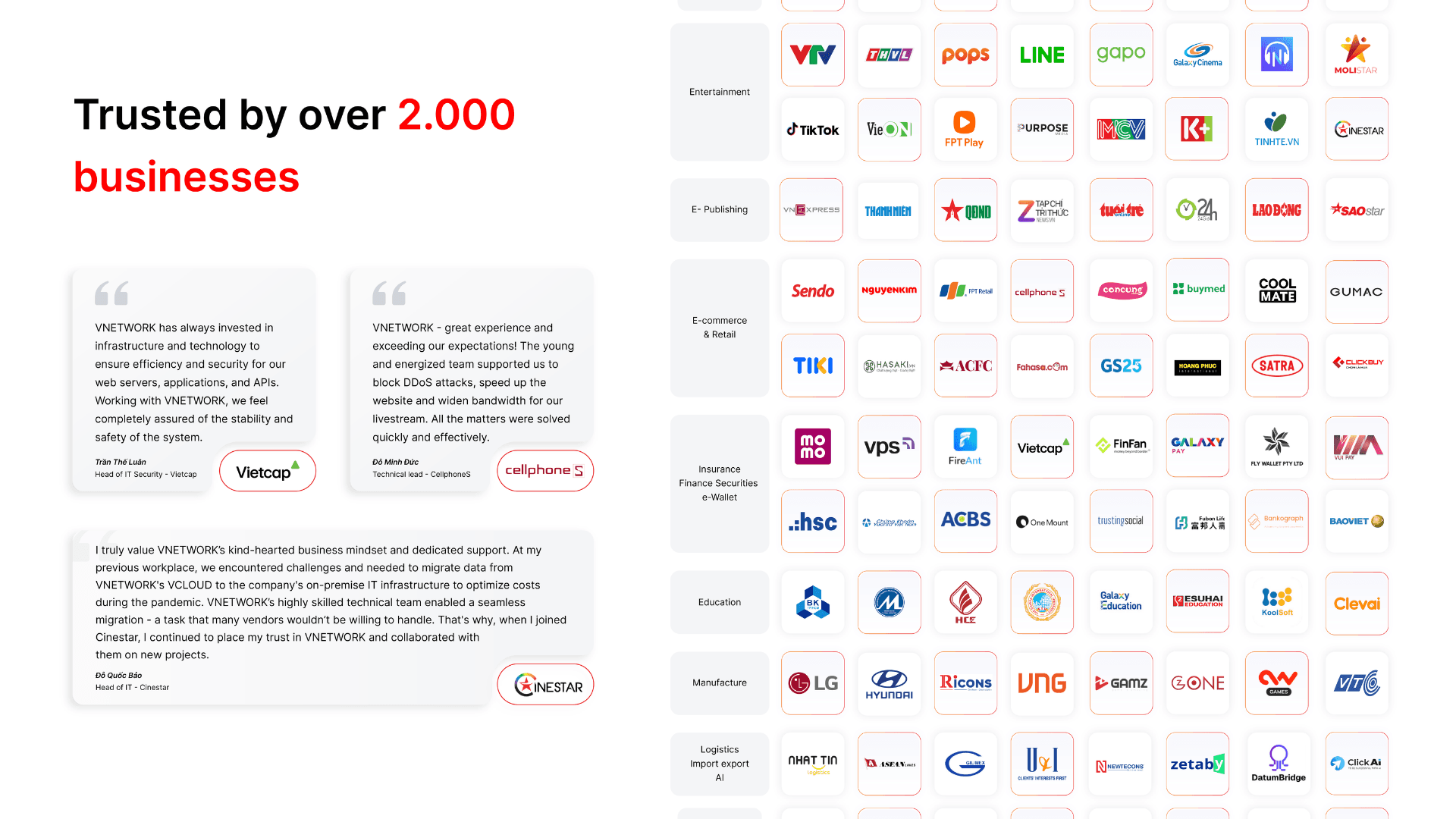
VNPT Cyber Immunity is the official cybersecurity brand of VNPT Corporation, established on July 1, 2015. VCI positions itself as a "digital immunity system" with a team of over 200 specialists, including white-hat hackers, and a threat intelligence database shared by reputable international partners. In 2025, VCI signed a partnership to deploy its security ecosystem in the Japanese market, marking a significant step in the strategy to internalize Vietnamese security products.
VCI advises and implements security strategies for critical government infrastructure across the Ministry of Public Security, the Ministry of Finance, and the Ministry of Science and Technology. Its standout solutions include VNPT S-GATE (connection gateway protection), VNPT MSS (a managed security service co-developed with IBM), and VNPT Cloud Security. Leveraging a nationwide telecommunications infrastructure footprint, VCI is particularly well-suited for public-sector organizations with high requirements around data sovereignty and domestic storage.
4. CMC Cyber Security
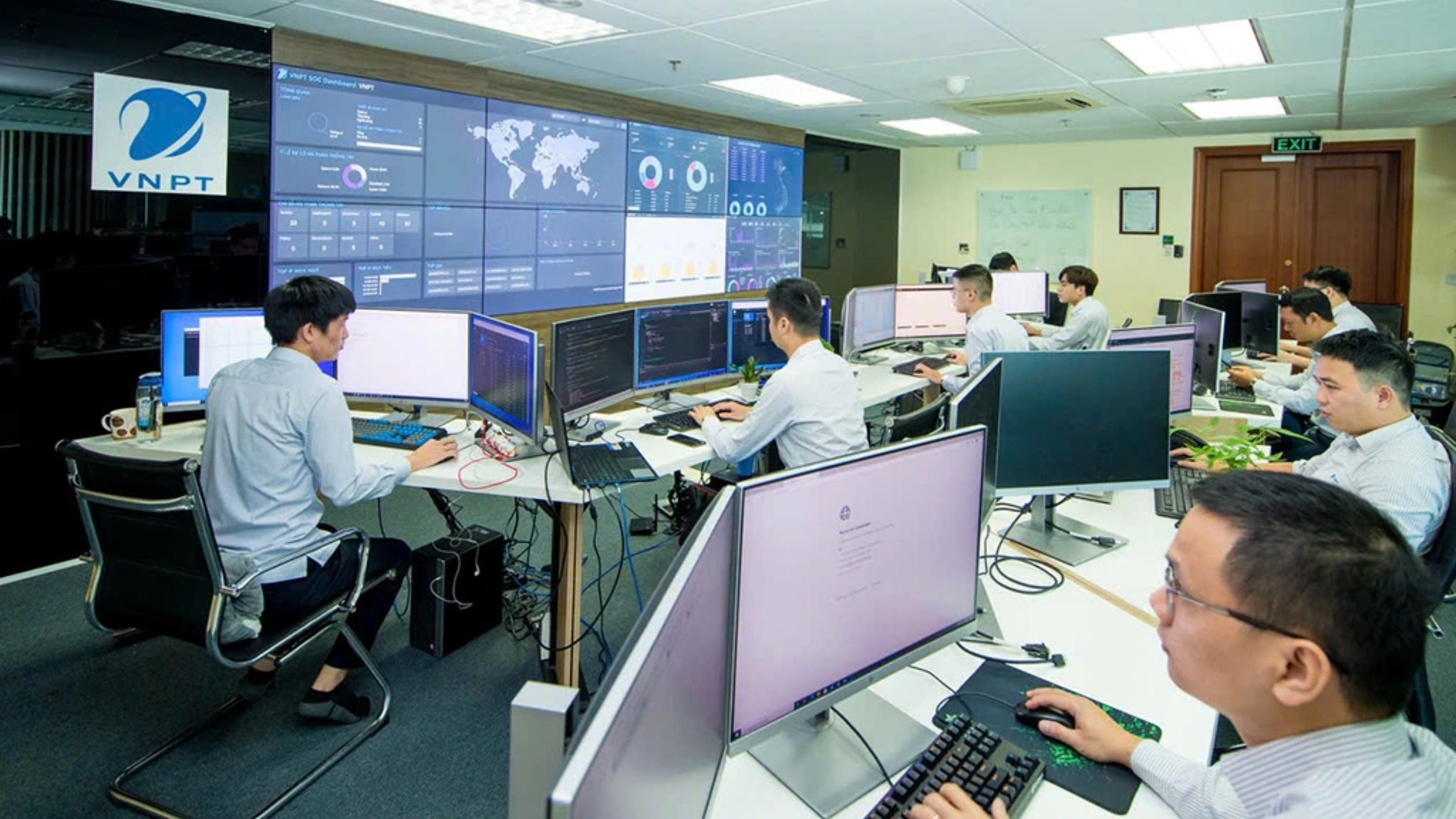
CMC Cyber Security (formerly CMC Infosec), founded in 2008 when cybersecurity was still a nascent concept in Vietnam, is one of the country's earliest dedicated security firms. As part of the CMC Technology Group ecosystem (Vietnam's second-largest ICT conglomerate), CMC Cyber Security takes pride in having 100% of its products and solutions researched and developed by Vietnamese professionals.
CMC Cyber Security covers a broad service portfolio: compliance consulting and assessment (PCI-DSS, ISO, information security classification levels), next-generation 24/7 SOC monitoring, penetration testing, the CMDD malware prevention solution, CMC CA digital signature services, and incident response. It is a strong fit for banks, financial institutions, securities firms, and e-commerce companies seeking a security partner with deep Vietnamese technical expertise and long-standing experience in meeting international compliance standards.
5. FPT IS Cyber Security
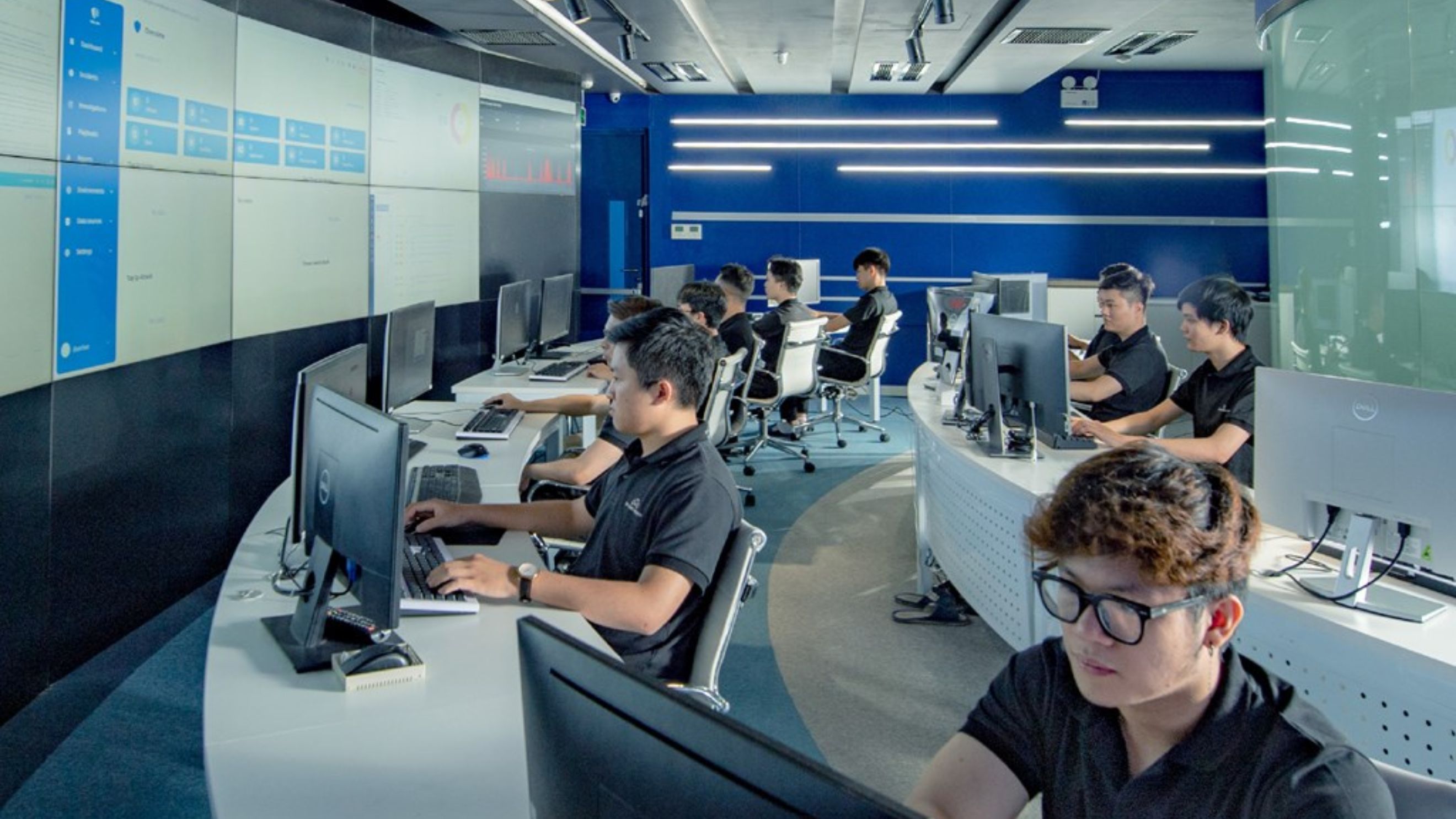
FPT IS (FPT Information System) is Vietnam's largest systems integration and digital transformation firm, with over 30 years of experience serving more than 252,000 clients across 29 countries. Its Cyber Security division is built as an integrated component of the enterprise IT ecosystem, delivering security services that are synchronized across an organization's entire technology infrastructure rather than deployed in isolation.
FPT IS Cyber Security's standout services include FPT.EagleEye mSOC (24/7 security monitoring and incident response), penetration testing and vulnerability assessment (VA), PCI DSS consulting and certification, and the FPT.EagleEye Phish-Training security awareness training service. FPT IS is best suited for large enterprises undergoing digital transformation that need a single IT partner capable of embedding security end-to-end, from ERP systems to operational infrastructure.
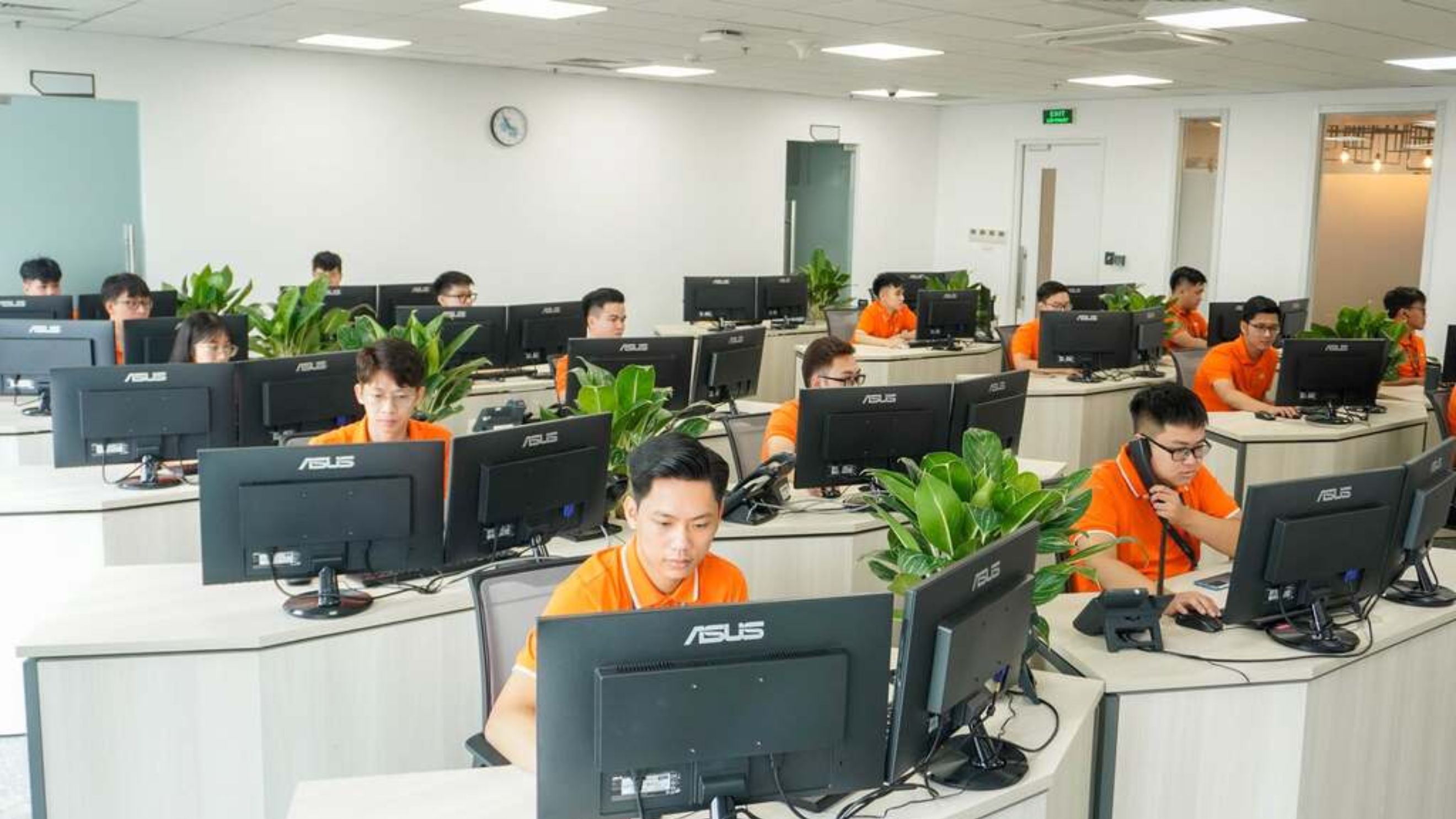
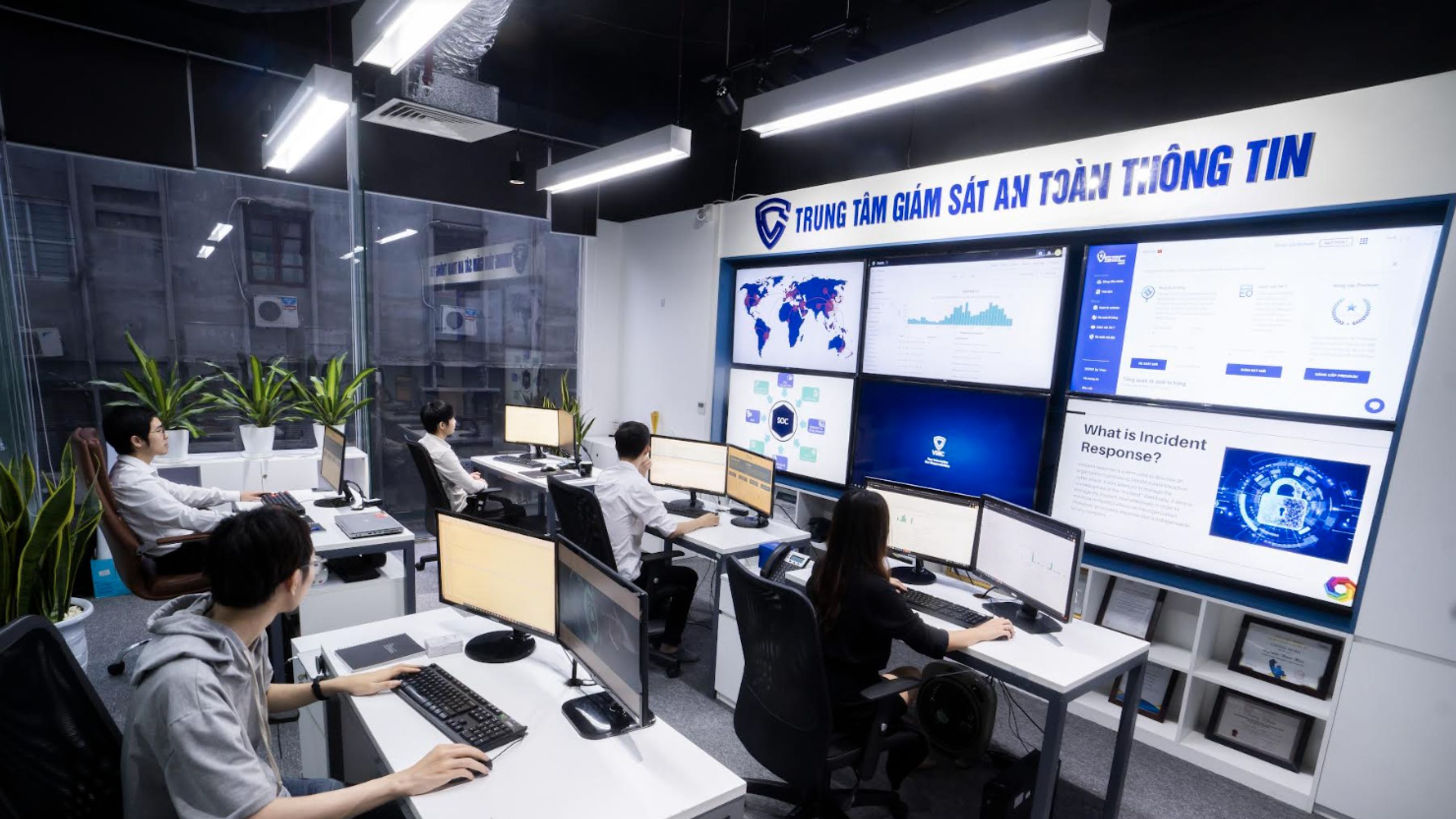
6. VSEC (Vietnam Cyber Security Joint Stock Company)
VSEC has over 20 years of history, tracing its roots to the Vietnamese information security research community since 2003 and formally incorporated as a company in 2009. Now a member of G-Group Technology Corporation, VSEC positions itself clearly as an independent security assessment and testing firm, not an operational solution provider. Over more than two decades, VSEC has served over 500 enterprises and government organizations, becoming a cybersecurity partner of Amazon Web Services (AWS) in Vietnam.
VSEC's core strength lies in penetration testing, red team engagements, and zero-day vulnerability assessments, backed by a team holding numerous international certifications. VSEC is the first MSSP in Vietnam to achieve CREST (UK) accreditation for both Penetration Testing and SOC services, setting an international benchmark in the security testing segment. It is an ideal choice for enterprises requiring periodic independent security assessments, preparing for audits, or following a new system deployment.
Which service provider should your enterprise choose?
There is no universal formula that applies to every organization, as each enterprise has its own profile in terms of scale, industry, and dependence on digital systems. What matters most is a clear understanding of your actual needs before selecting a partner.
If your organization operates a critical website, application, or email system and wants to protect all of them under a single solution rather than managing multiple vendors, integrated cloud security platforms will save significant time and reduce risk. VNETWORK is one option worth considering in this category, suited to a wide range of scales from small and medium-sized businesses to large corporations, particularly in finance, e-commerce, and media where systems require continuous protection and rapid incident response.
For public-sector organizations or those managing telecommunications infrastructure, the decision is often more complex, involving data sovereignty requirements and specific procurement and acceptance procedures. In these cases, providers with a proven track record of working with the public sector are usually the more appropriate choice.
Regardless of which partner you choose, two principles should never be overlooked. The first is Defense in Depth: do not rely on a single layer of protection; instead, build multiple layers of controls that complement each other. The second is the legal framework, because the Data Law 2024 and the Personal Data Protection Law are now in effect and impose specific obligations that every enterprise operating in Vietnam must comply with.
Conclusion
Cybersecurity is no longer solely the concern of the IT department; it has become a strategic responsibility for the entire organization. As digital transformation continues to accelerate across sectors, the digital assets of enterprises are also a part of national assets that deserve protection. The growth of Vietnamese cybersecurity companies in recent years reflects not only an increasingly pressing practical demand but also a domestic capability that has matured sufficiently to take on that responsibility.
Each provider on the list above is contributing to a safer cyberspace for Vietnamese businesses and users. Choosing the right security partner, maintaining multi-layered defenses, and complying with applicable regulations are the three pillars that enable enterprises to protect their digital assets sustainably over the long term.
FAQ - Frequently asked questions
1. Which Vietnamese cybersecurity company is the best fit for small and medium-sized businesses?
Small and medium-sized businesses should prioritize providers offering SaaS-based solutions that are easy to deploy and do not require a highly specialized in-house technical team. Integrated security platforms with multiple built-in protection layers, 24/7 SOC support, and flexible pricing aligned to actual needs will be more practical than self-deploying and managing a standalone security infrastructure.
2. What is the difference between a cybersecurity company and a cloud security provider?
Traditional cybersecurity companies typically focus on services such as penetration testing, compliance consulting, and SOC operations. Cloud security providers integrate protection directly into cloud infrastructure and distribution networks, safeguarding applications, data, and connectivity in real time without requiring dedicated hardware deployments. As cloud security continues to gain priority in digital transformation, the boundary between the two models is becoming increasingly defined.
3. What cybersecurity solutions does an enterprise need for comprehensive protection?
A comprehensive security stack typically includes: web application protection against DDoS attacks, SQL Injection, XSS, brute force, and ransomware; email security against phishing and malware; continuous monitoring and intrusion detection; periodic security testing; and a consistent zero trust strategy applied across the entire system.
4. What cybersecurity services does VNETWORK provide for enterprises?
VNETWORK offers a comprehensive security ecosystem comprising: VNIS (Web/App/API security, multi-layer anti-DDoS, AI-integrated WAF and WAAP), EG-Platform (three-layer email security meeting ITU standards), VNCDN (high-speed CDN with integrated security), and VCLOUD (secure cloud infrastructure certified to ISO 27001). Everything is monitored by a 24/7 SOC team with proven incident response capability.
5. What does Vietnam's Cybersecurity Law stipulate about enterprise security obligations?
Under applicable regulations, enterprises operating in Vietnam's cyberspace are responsible for protecting their information systems and user data. Law No. 91/2025/QH15 on Personal Data Protection sets out specific requirements for data processing and protection, requiring enterprises to implement appropriate technical and organizational measures. Refer to Decree 53 on cybersecurity for detailed compliance obligations by sector.